
Managing High Blood Pressure: Practical Tips from Your Primary Care Team
October 6, 2026 · 6 min read · U.N.I. My Primary Care
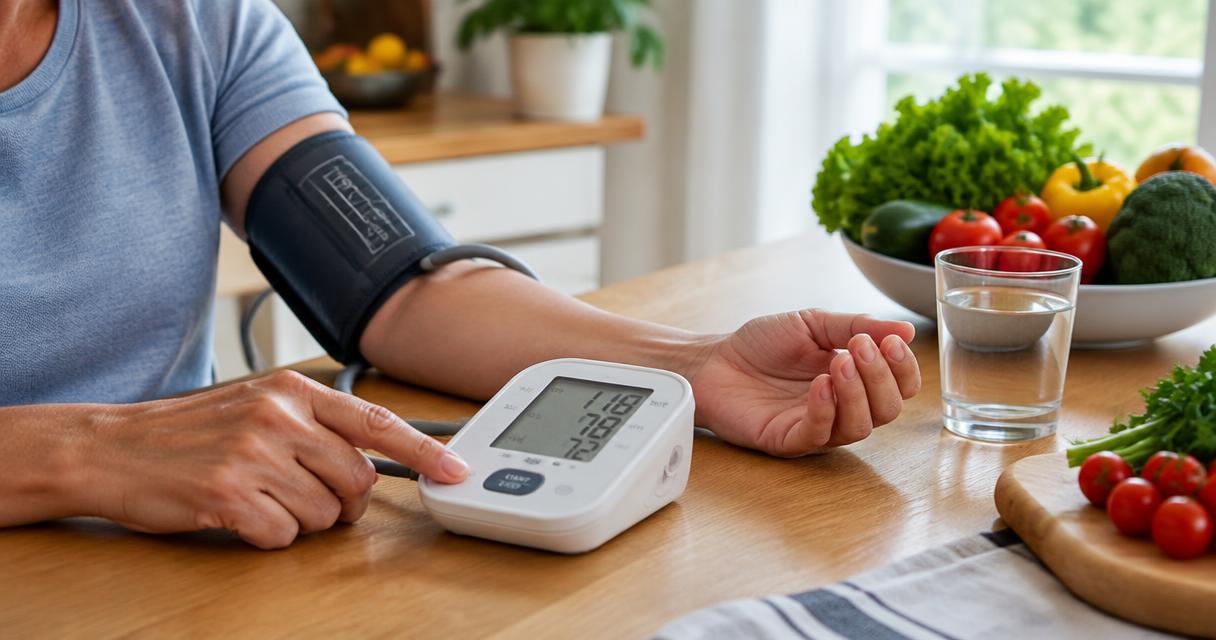
High blood pressure, also called hypertension, is one of the most common conditions we see in adults at U.N.I. My Primary Care. It is often called a "silent" condition because many people feel completely fine while their blood pressure slowly strains their heart and blood vessels. The good news is that with steady daily habits, regular monitoring, and a strong partnership with your primary care provider, high blood pressure can usually be well controlled. Here is a practical guide for adults in Westminster and Carroll County.
What blood pressure numbers mean
A blood pressure reading has two numbers. The top number (systolic) measures the pressure in your arteries when your heart beats. The bottom number (diastolic) measures the pressure between beats. A reading is written like 120/80.
The American Heart Association considers a reading below 120/80 normal. Readings from 120 to 129 systolic are considered elevated, and readings of 130/80 or higher fall into the high blood pressure range. Your provider will look at multiple readings over time, not just a single number, before making a diagnosis.
Why blood pressure matters
Over months and years, uncontrolled high blood pressure damages the inner walls of your arteries and forces your heart to work harder. That raises the risk of heart attack, stroke, heart failure, kidney disease, and vision problems. It can also contribute to memory and thinking problems later in life.
Because many people have no symptoms, regular measurement is the only reliable way to know your numbers. That is one reason an annual physical is so important, even when you feel healthy.
Common risk factors
Some risk factors are out of your control, while others can be changed:
- Family history of high blood pressure or heart disease
- Increasing age
- Carrying extra weight
- A diet high in sodium and low in potassium
- Low levels of physical activity
- Drinking alcohol regularly or heavily
- Smoking or using tobacco
- Chronic stress and poor sleep, including untreated sleep apnea
- Other conditions such as diabetes or kidney disease
Everyday habits that make a difference
Lifestyle changes are the foundation of blood pressure control, whether or not you also take medication. Small, consistent changes add up over time:
- Cut back on sodium by watching packaged foods, canned soups, deli meats, and restaurant meals
- Fill half your plate with vegetables and fruit, which are rich in potassium
- Choose whole grains, beans, nuts, and lean proteins more often
- Aim for regular movement, such as a brisk 30-minute walk most days of the week
- Limit alcohol and avoid tobacco in all forms
- Prioritize seven to nine hours of quality sleep each night
- Find healthy ways to manage stress, such as walking, deep breathing, or time with friends
- Work toward a healthy weight at a pace that feels sustainable
Getting support with nutrition and weight
Even a modest amount of weight loss can lower blood pressure for many people. If you're not sure where to start, our team offers weight management and nutrition counseling to help you build realistic habits that fit your lifestyle, your budget, and the foods you enjoy.
Checking your blood pressure at home
A home blood pressure monitor helps you and your provider see trends between visits and can reveal whether readings in the office are higher than usual because of nerves. To get accurate readings at home:
- Use an upper-arm cuff that fits your arm properly
- Avoid caffeine, exercise, and smoking for 30 minutes before measuring
- Sit quietly with your back supported for five minutes before the reading
- Keep your feet flat on the floor and your arm supported at heart level
- Take two readings a minute apart, at the same times each day
- Write down your results or use the monitor's memory, and bring them to your next visit
Taking medication as prescribed
If lifestyle changes alone aren't enough, your provider may recommend medication. There are several classes of blood pressure medicine, and finding the right one sometimes takes a few adjustments. Take your medication consistently, even when you feel well, because high blood pressure usually doesn't cause symptoms you can feel.
If you notice side effects, talk with your provider instead of stopping on your own. There are often other options that may work better for you.
Regular follow-up visits
Managing blood pressure is an ongoing process. Follow-up visits let your provider check your numbers, review your home log, adjust your plan, and order periodic lab work to monitor your kidneys and cholesterol. Through our chronic illness management program, we also help patients manage related conditions such as diabetes, high cholesterol, and heart disease.
When to call your provider or 911
Reach out to your provider if your home readings stay above the goal you set together, or if you notice new symptoms such as frequent headaches, dizziness, or swelling.
Call 911 right away if you have a very high reading along with severe headache, chest pain, shortness of breath, vision changes, weakness or numbness, confusion, or trouble speaking. These can be signs of a medical emergency.
Frequently asked questions about high blood pressure
Can high blood pressure go away? For some people, lifestyle changes such as losing weight, cutting sodium, and exercising regularly can bring blood pressure back into a healthy range. Others will need long-term treatment. Either way, ongoing monitoring is important.
Does stress cause high blood pressure? Stress can cause short-term spikes, and chronic stress may contribute to unhealthy habits that raise blood pressure over time. Managing stress is a helpful part of any plan.
Is a single high reading a reason to worry? Not necessarily. Readings vary throughout the day. Your provider will look at a pattern of readings before making a diagnosis or changing treatment.
Blood pressure care in Westminster, MD
U.N.I. My Primary Care helps adults in Westminster and the surrounding Carroll County communities manage high blood pressure with personalized plans and regular follow-up. We take time to understand your daily routine, your goals, and any barriers you face, so your plan is realistic and something you can actually stick with over the long term. Call 410-751-7480 or contact us to schedule a visit.
Related services
Call 410-751-7480 to scheduleThis article is for general information and is not a substitute for medical advice. Talk with your provider about your health.